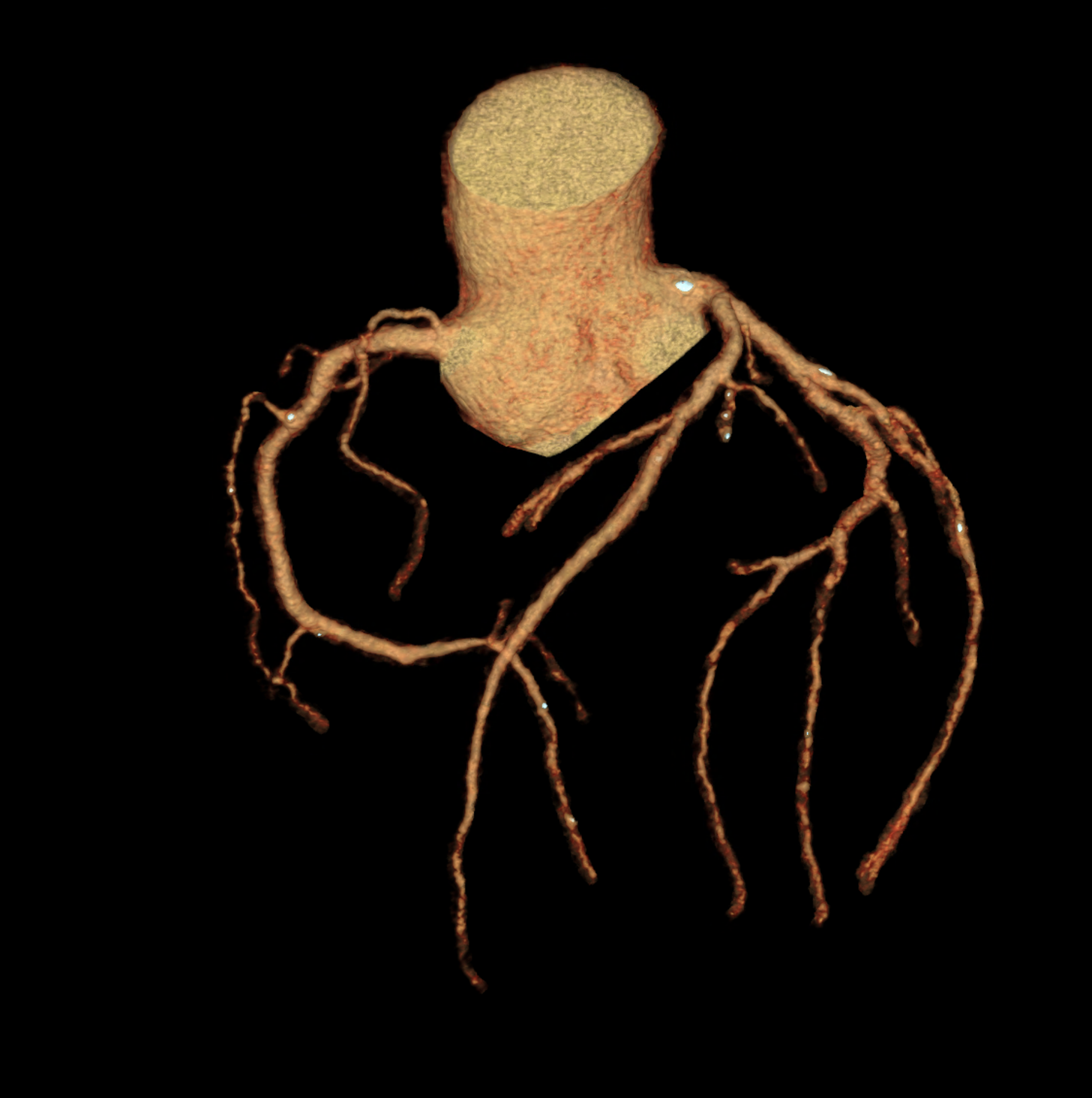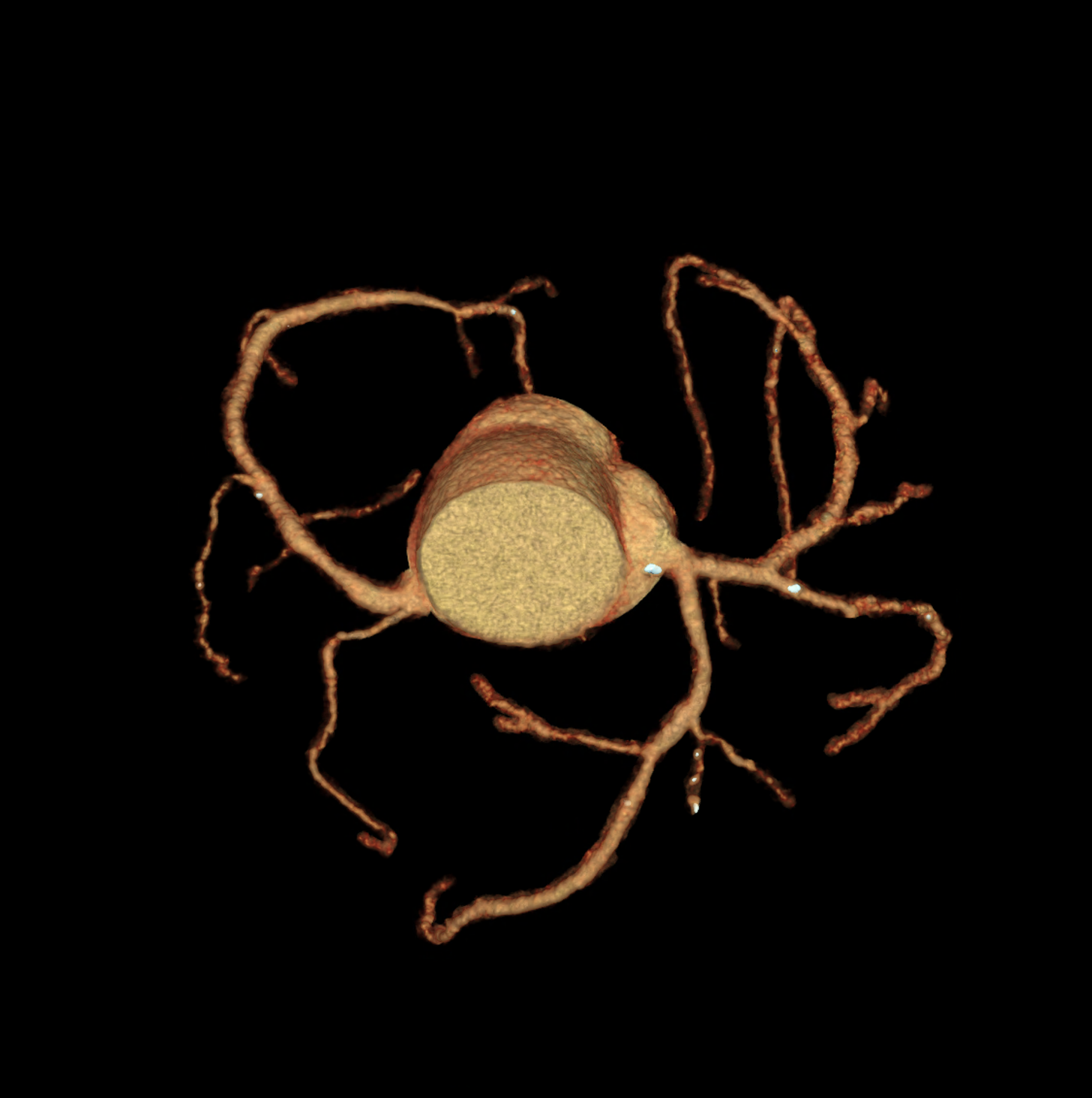
Diabetic microangiopathy in the coronary arteries involves damage to the small blood vessels of the heart, causing them to thicken, become spastic, and lose their reactivity, which leads to reduced blood and oxygen flow to the heart muscle, even without occlusion of the large arteries. This coronary microvascular dysfunction (CMD) contributes to diabetic cardiomyopathy, angina pectoris, heart failure, and silent ischemia, which are characterized by symptoms such as shortness of breath or fatigue, often referred to as microvascular angina pectoris or cardiac syndrome X. It is caused by hyperglycemia, oxidative stress, inflammation, and abnormal vascular growth, which affects tissue perfusion.
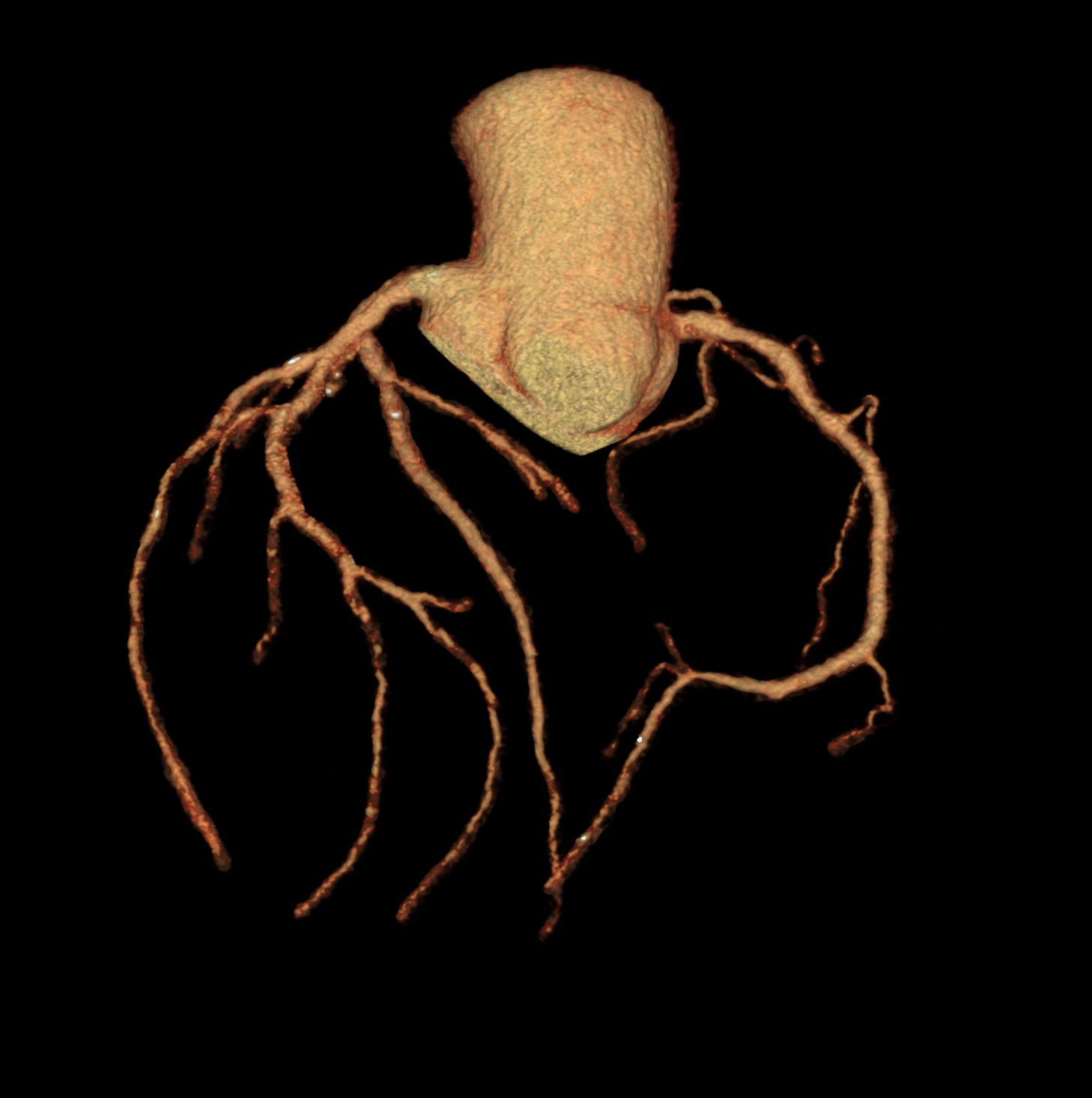
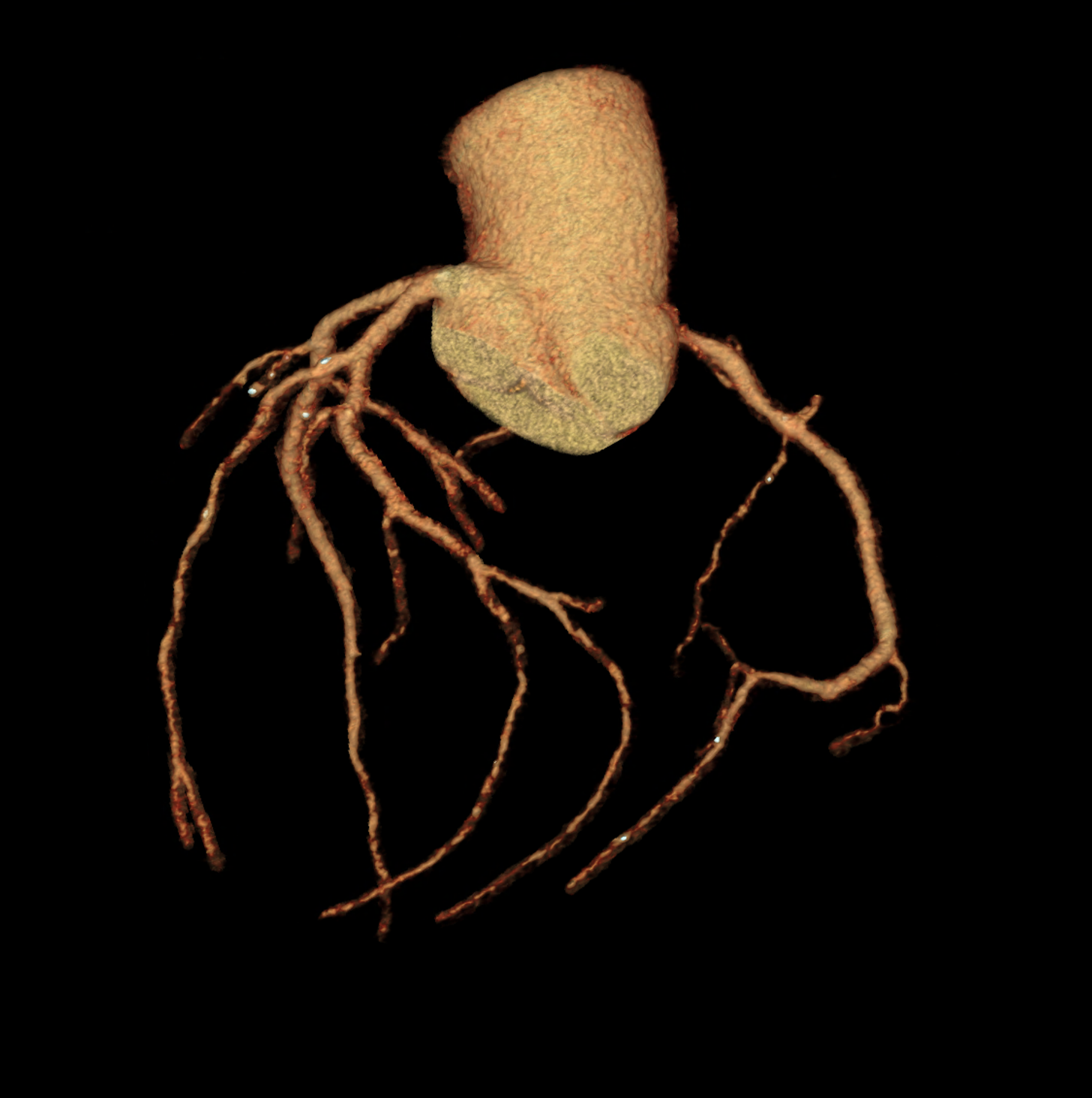
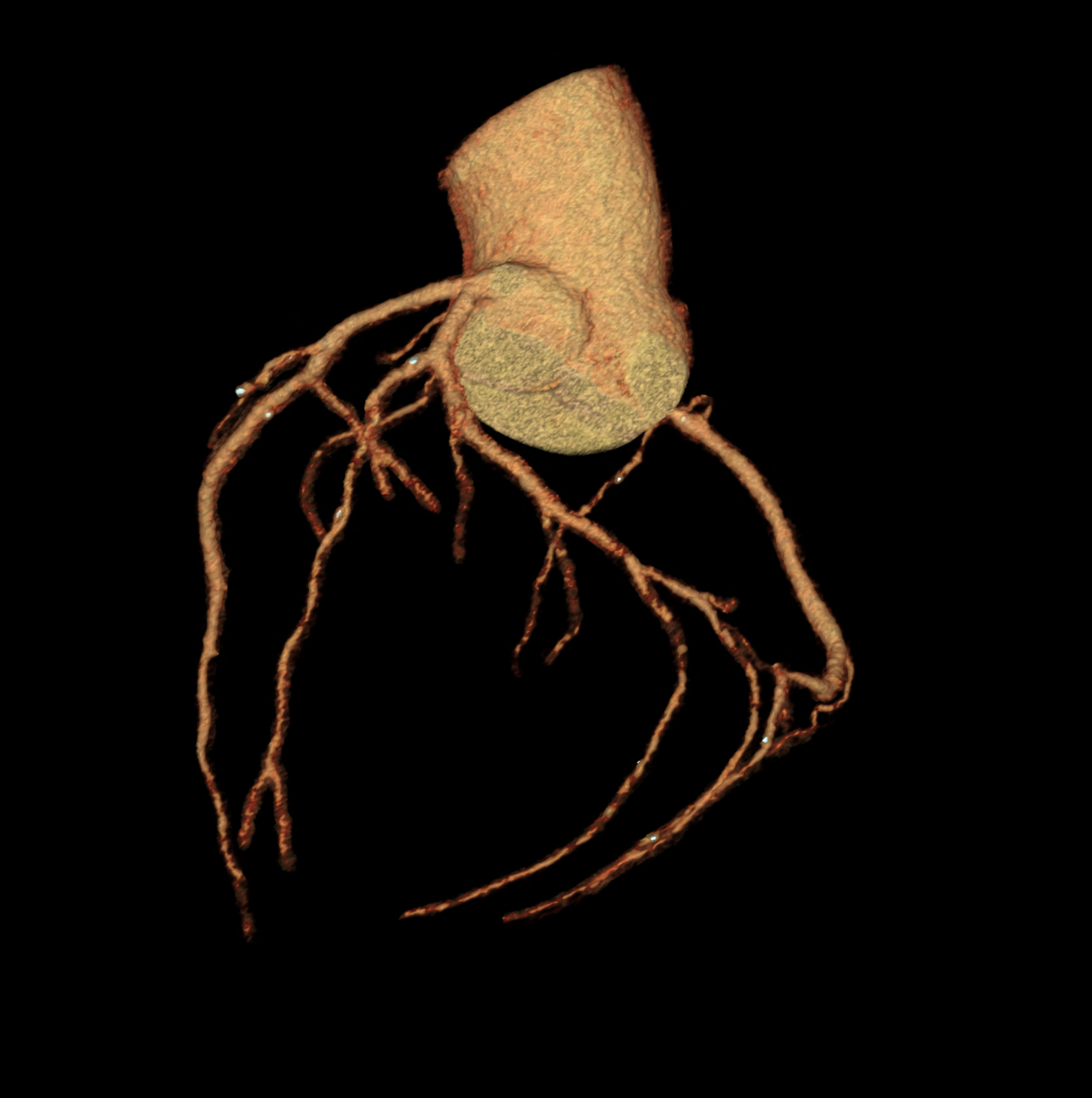
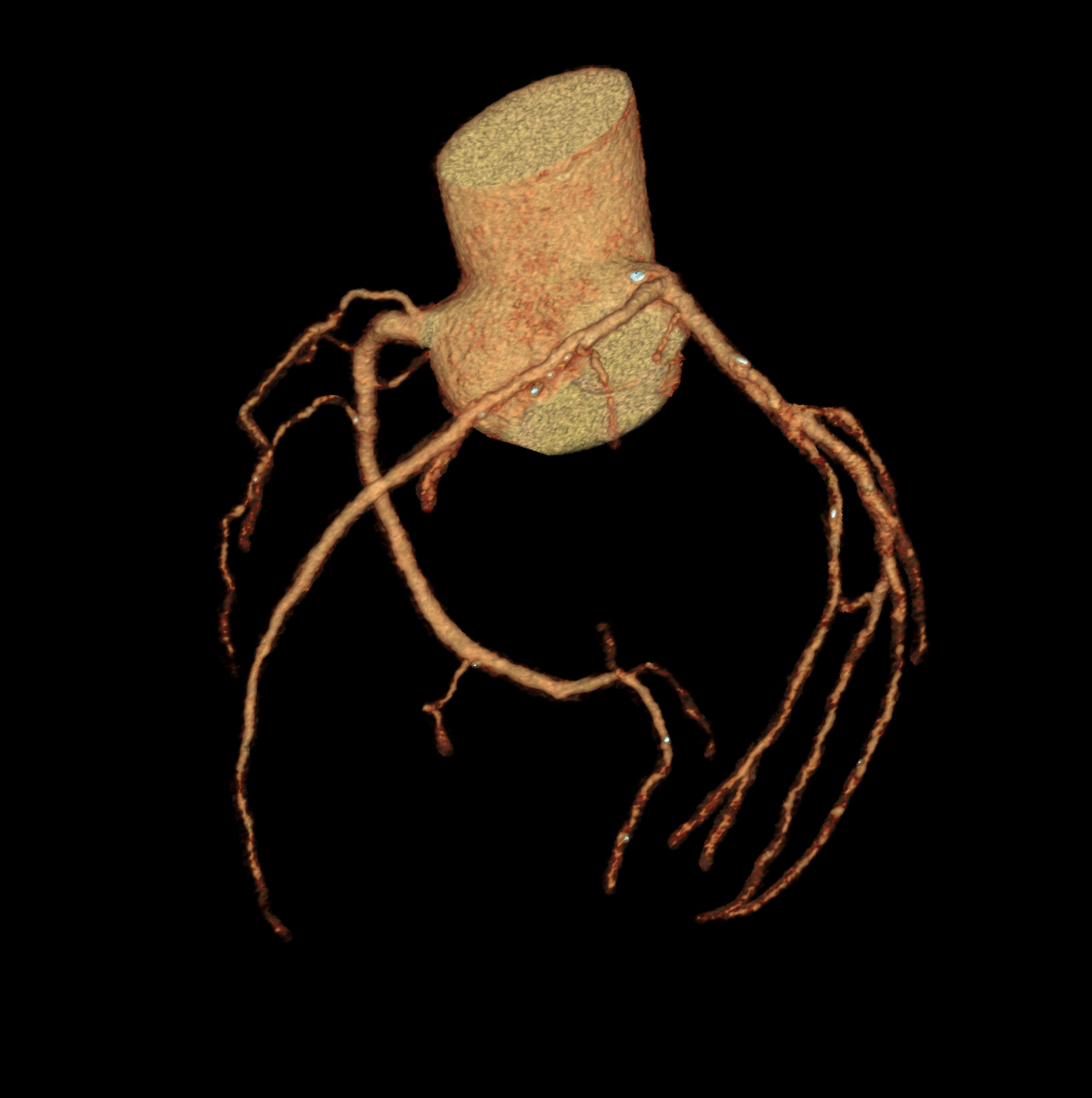
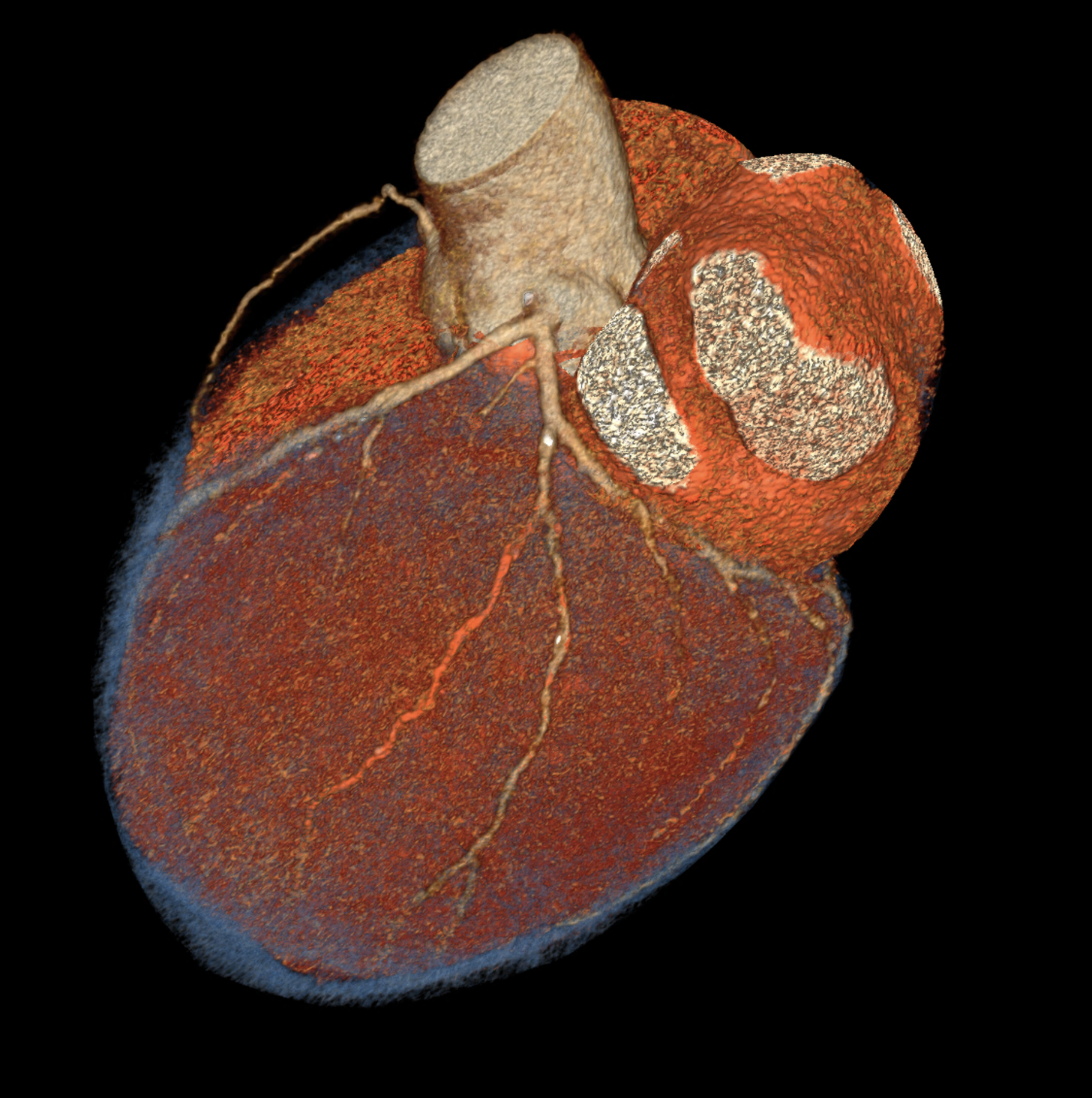
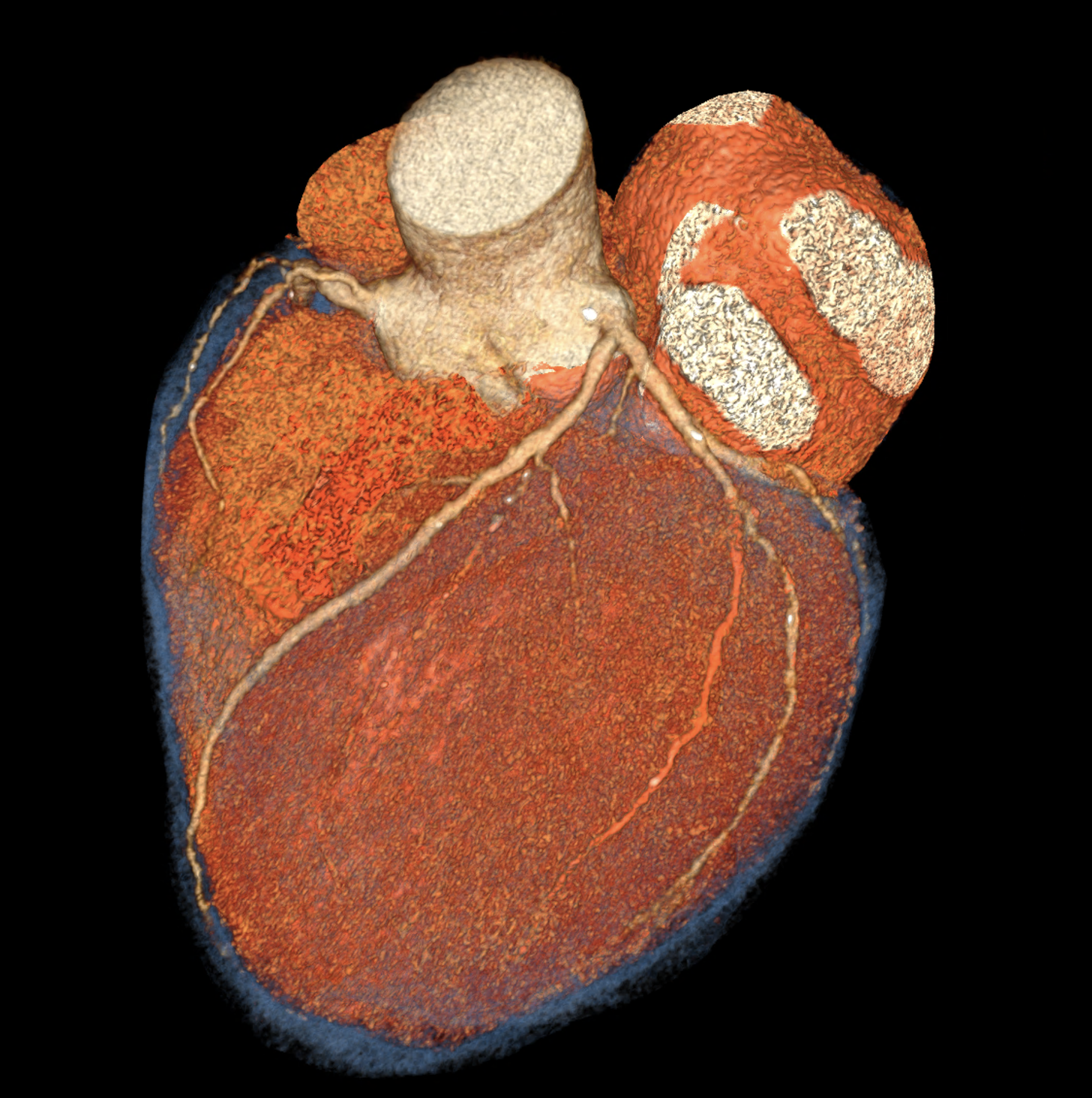
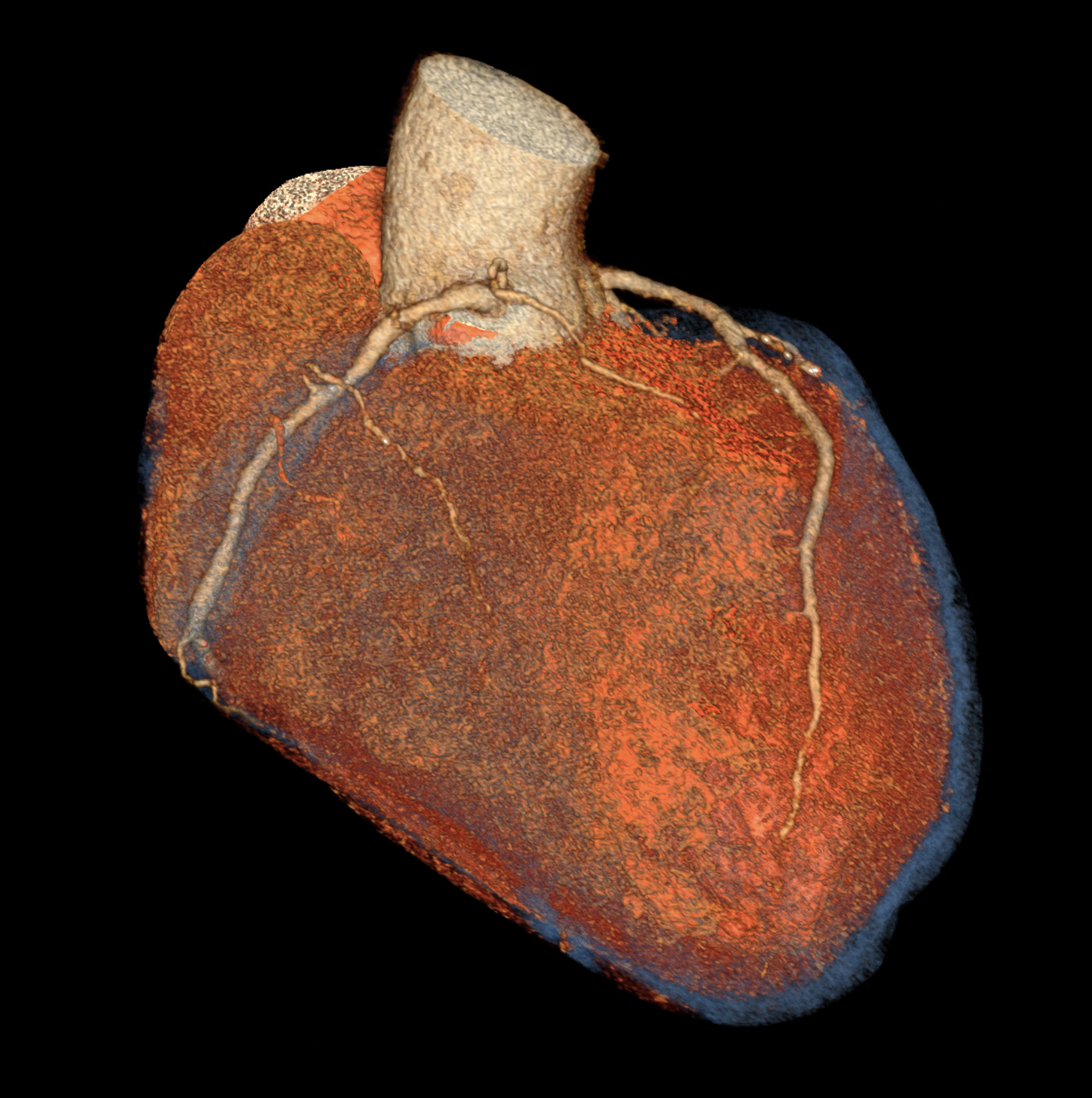
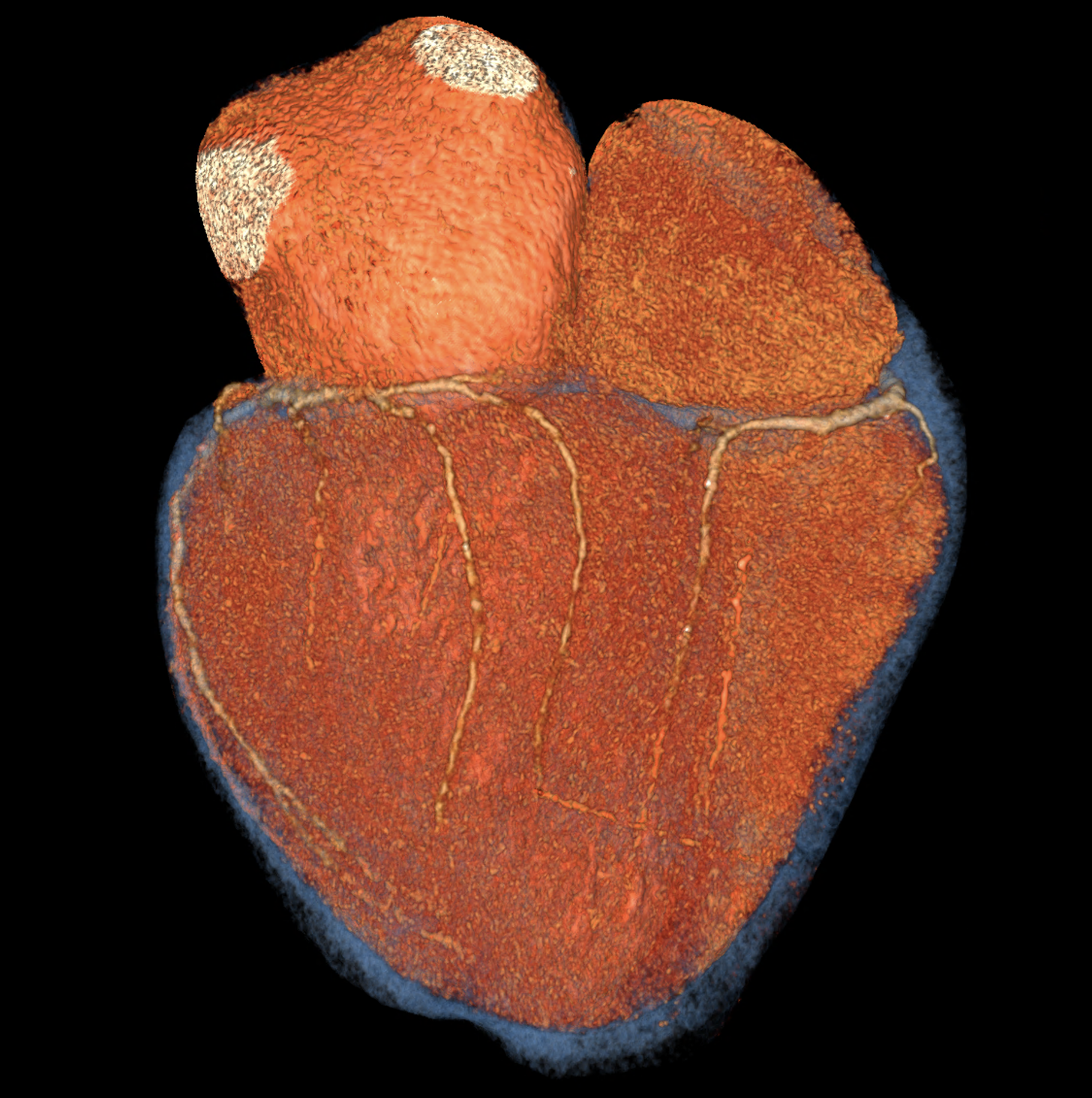
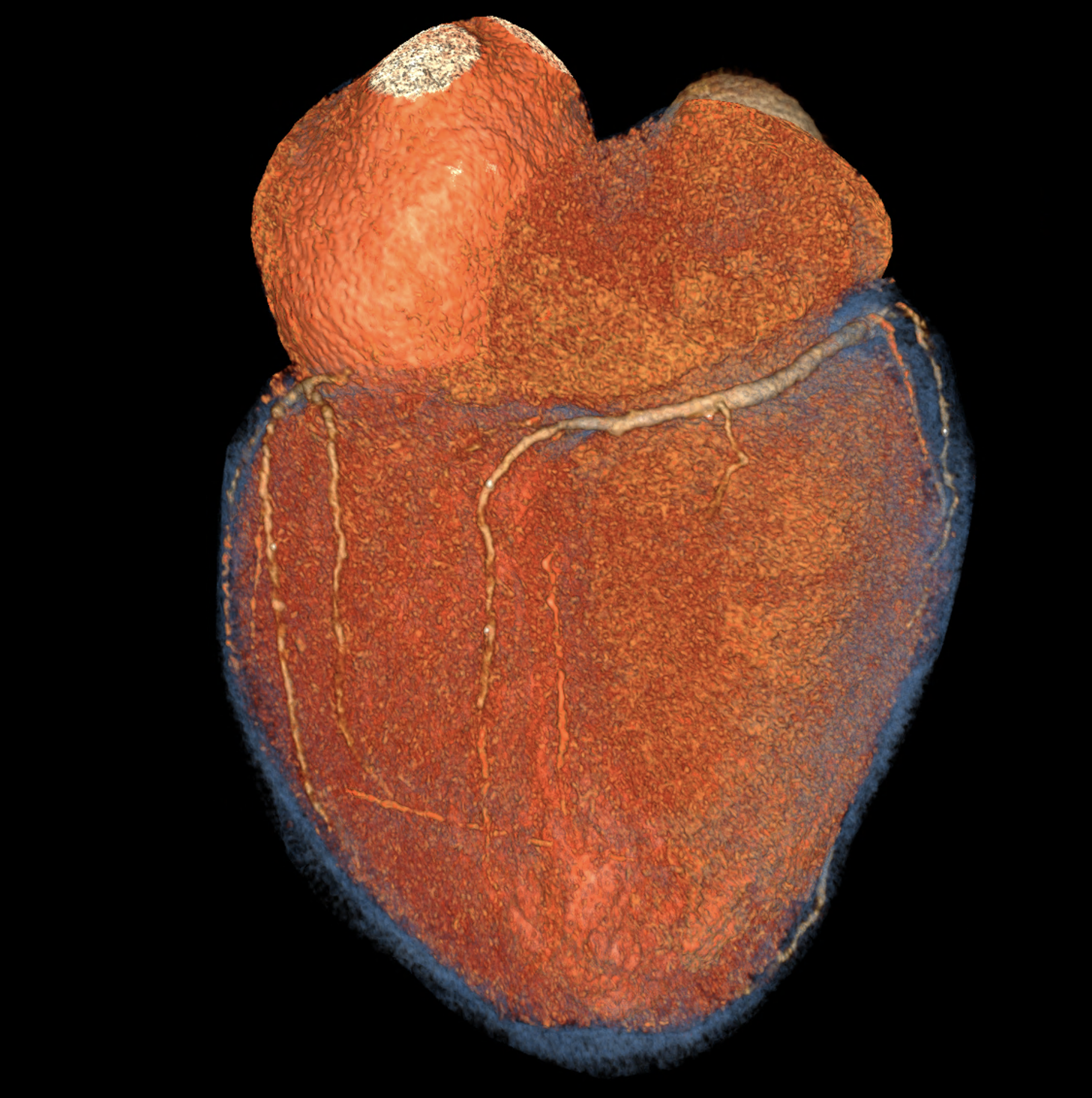
In CT images, the dominant findings are involvement of smaller arteries at the level of the diagonal, marginal, or posterolateral branches with luminal irregularities and isolated fine qualifications. In contrast, there is no involvement of the main arteries. In early forms of the disease, there are no signs of myocardial dysfunction, but the patient experiences shortness of breath during normal activities, such as walking or lower levels of physical activity. As in the presented case.
case report
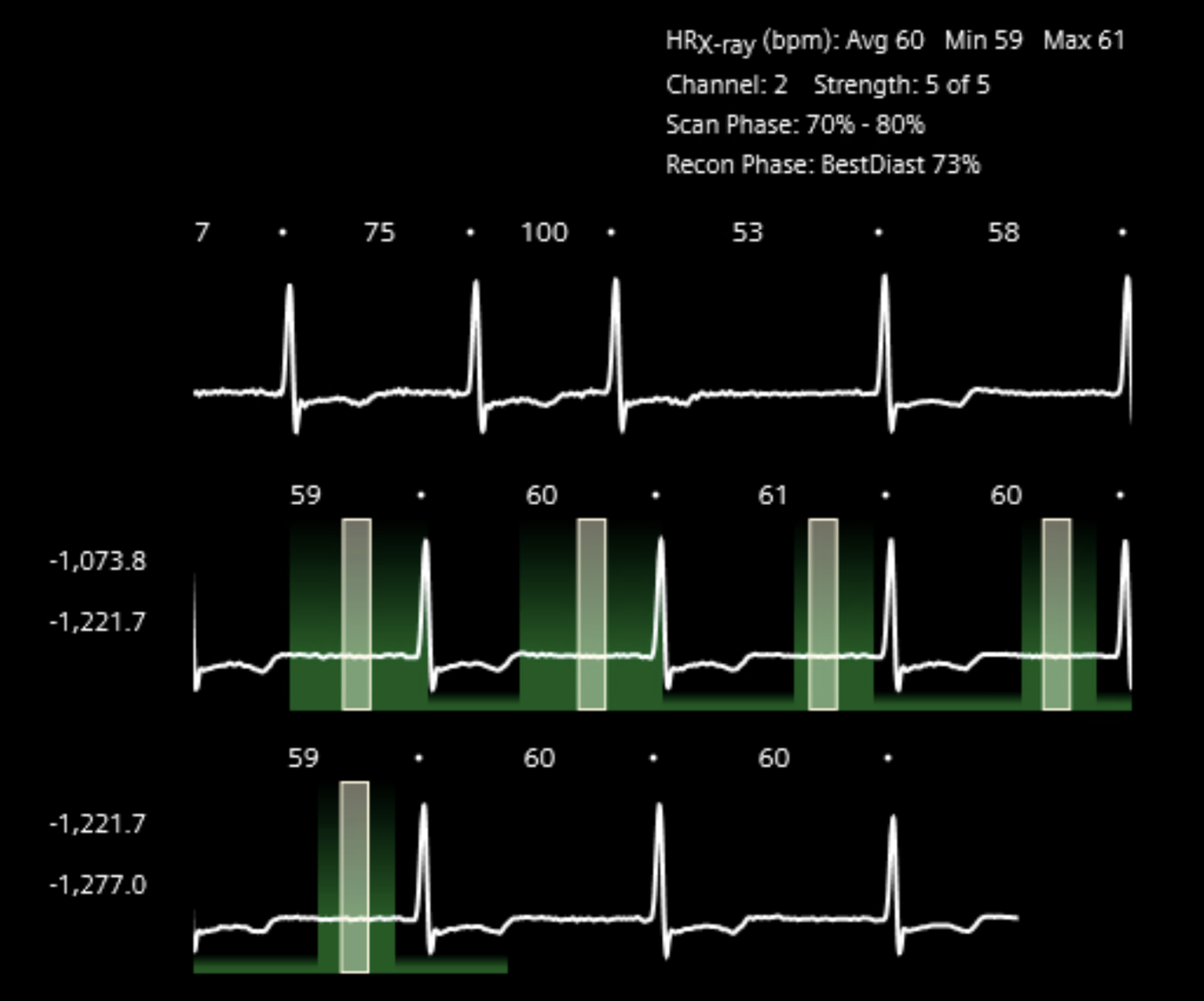
a male in sixth decade coming due to the shortening of the breath in physical activities. The imaging was performed using single source CT without any pre-medication neither nitrates nor beta-blockers. The irregularity of the smaller vessels are well seen I all second order branches of the right coronary artery, left main and circumflex.
Naeotom Alpha.Prime, University Hospital Pilsen, Czechia
the data acquisition and reconstruction
volume rendered – whole heart reconstruction
volume rendered – coronary isolated reconstruction